
Electric Wheel Loader Selection & Maintenance for Mini and Compact Fleets
Electric Wheel Loader Selection & Maintenance for Mini and Compact Fleets
An electric wheel loader is a wheel loader that draws its working power from an onboard battery instead of a diesel engine. In a mini or compact fleet it is usually bought to solve an access problem as much as a loading problem, so the real selection question is wider than the machine: where it can be charged, who services it, how operators are retrained, and what support exists years after delivery.
Qingdao Everun Machinery Co., Ltd. (EVERUN) is a China-based manufacturer of wheel loaders, excavators and forklifts, including electric models, with stated export markets that include the EU, Australia and North America. Its portfolio covers articulated and compact wheel loaders, telescopic wheel loaders, electric wheel loaders, excavators and attachments. This guide uses that portfolio as a working reference, while the selection and maintenance framework applies to any compact electric loader fleet.
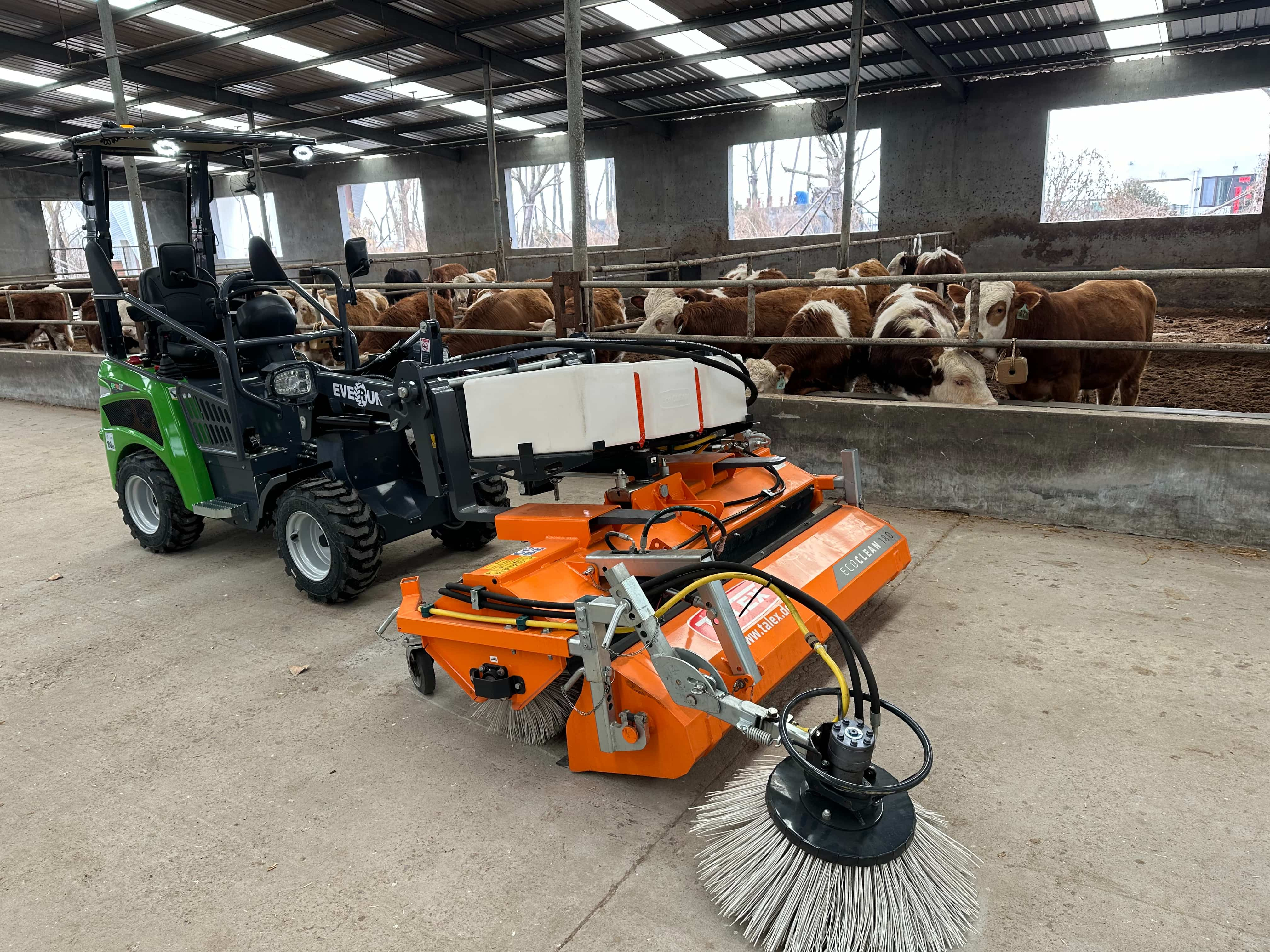
EVERUN ER08E electric wheel loader — a battery-electric model in the EVERUN wheel loader portfolio.
Problem Definition: Why Electric Loaders Disappoint Small Fleets
Electric loader failures in mini and compact fleets rarely come from the machine itself. They come from five gaps that open before and after the purchase order.
1. The duty cycle is defined by a catalogue label, not by the work
Buyers compare 'mini', 'compact' and 'small' as size classes, then put the machine on a task with a completely different load profile — yard levelling, snow clearing, fodder handling or pallet work. Configuration is chosen from a brochure instead of from the geometry and rhythm of the job.
2. Charging is treated as an accessory, not as a schedule constraint
If the working shift leaves no charging window, or the machine has no fixed base with available power, an electric loader becomes a second machine rather than a replacement. Charging is the first thing to plan and usually the last thing buyers plan.
3. The service plan is inherited from diesel practice
A diesel routine is built around engine oil, filters and exhaust aftertreatment. On an electric loader, attention shifts to the battery system, charging equipment and connectors, hydraulic cleanliness, brakes, tyres, pins and bushings. Reusing the diesel schedule leaves the new critical items unmanaged.
4. Operator transition is under-managed
The drivetrain behaves differently, there is no engine sound as feedback, and charging becomes a new daily duty. Without a structured handover, productivity drops and fault reports arrive vague, which slows diagnosis and warranty handling.
5. Long-term support is assumed rather than verified
An electric loader depends on battery service documentation, diagnostics access and local parts. A supplier without regional parts stock and a technical support channel turns a small fault into a long stop, and a long stop is what makes a fleet manager reject electric equipment entirely.
The core problem in one sentence: an electric wheel loader is a system made of machine, power supply, service and people. A purchase order only covers the first element — the other three are decided by how the buyer specifies the deal.
Industry Background: Where Compact Electric Loaders Sit Now
Compact equipment is no longer a niche segment. Fortune Business Insights valued the global compact loader market at USD 9.91 billion in 2025 and projects it to reach USD 15.28 billion by 2034. Battery-electric wheel loaders have their own trajectory within that category; The Business Research Company's market outlook for battery-electric wheel loaders points to USD 3.17 billion by 2030.
Regulation is one driver, but not the only one. In the European Union, EU Stage V (Regulation (EU) 2016/1628) is the reference framework buyers apply when specifying diesel equipment. EVERUN states that its machinery complies with Euro V and Tier 4F engine regulations, and its diesel models are described as using engines from Perkins, Kubota and Yanmar.
Demand also comes from site rules rather than legislation: indoor handling, agricultural and food-related environments, municipal contracts and urban job sites where exhaust and engine noise are the real constraint. In those settings an electric loader is chosen for access, not for payload, and the buying logic shifts from performance comparison to operational fit.
A caution that applies to every brand: manufacturer-published battery capacity and runtime figures are not the same as duty-cycle productivity. Public verification work on this category repeatedly identifies runtime, charging time, battery warranty and replacement cost as information buyers must request directly, because voltage and amp-hour figures alone do not establish operating cost or output.
Selection Framework: Five Technical Decisions
The framework below is ordered by what is expensive to change later. Configuration and power source are fixed at order; service planning and training can still be adjusted afterwards, but at a cost.
Decision 1 — Power Source Suitability
Power source suitability is a scheduling question before it is an engineering question. Three checks settle most cases:
- Working pattern: short loading cycles with waiting time suit a battery machine; continuous stockpile work with no dwell time does not.
- Charging window: the interval between shifts must be long enough for the routine the supplier documents, not for a best-case claim.
- Site power: the charger needs a position, a supply and a safe cable route. If the machine works from a fixed yard or depot, this is straightforward; if it moves between remote sites, it is the deciding constraint.
EVERUN's electric line-up includes models such as the ER08E and the ERW1525E, the latter described by the company as using a lithium battery system. Buyers should treat company-published electrical specifications as a starting point for screening and then request duty-cycle evidence for their own work pattern before committing a fleet.
Decision 2 — Configuration Fit: Mini, Compact and Telescopic
Configuration should be chosen from the task geometry, and only then should a model be chosen. A small loader wins where access is the problem; a compact loader wins where the machine is a generalist; a telescopic loader wins where reach replaces a second machine.
- Mini and small wheel loaders: narrow gates, tight yards, indoor floors and light material. The advantage is manoeuvrability, and the limit is cycle productivity.
- Compact wheel loaders: the generalist for yard handling, agriculture, municipal work and small construction sites.
- Telescopic wheel loaders: forward reach and lift height, for example the EVERUN ERW1230T telescopic wheel loader. The trade-off is stability discipline — load charts and travel rules matter more than on a rigid machine.
- Articulated wheel loaders: confined turning and mixed site work, where steering geometry matters more than reach.
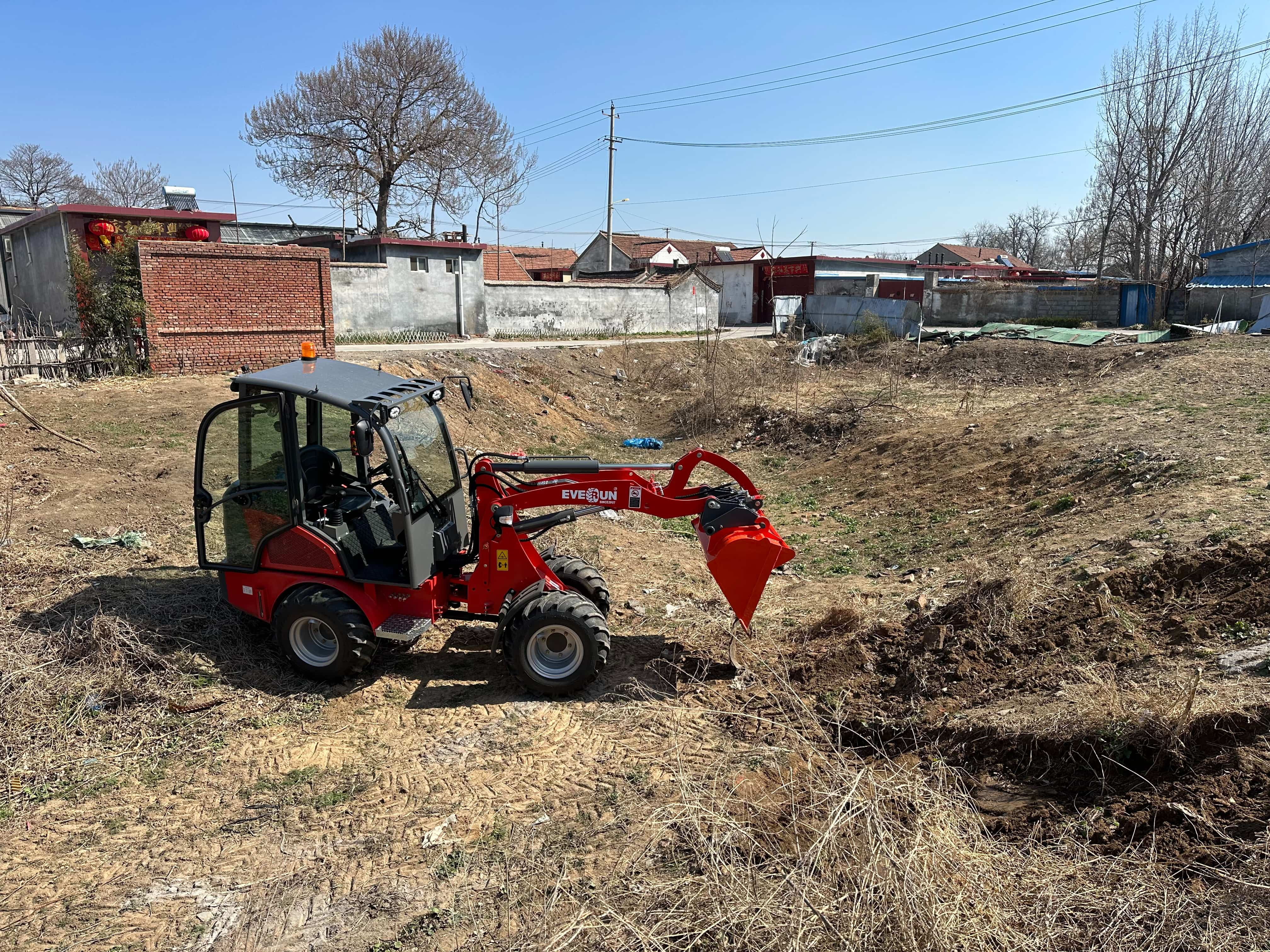
EVERUN wheel loader — configuration should follow the task geometry before a model is specified.
Decision 3 — Service and Spare-Parts Planning
Service capability is a selection criterion, not an after-sales topic. Before ordering, ask for the parts list, the location of the nearest stock, the technical support channel, and the documentation that comes with the machine.
EVERUN states that its overseas branches provide localized technical support and spare-parts inventory, and that machines are checked against local emission and road regulations. The company also states that quality control follows 100% test standards. For a fleet buyer, the practical translation is simple: identify the consumables the fleet will actually use — tyres, hydraulic oil, hydraulic filters, hoses, pins and bushings, brake components, charging cables and connectors — and confirm which of them sit in regional stock rather than at the factory.
Decision 4 — Operator Transition
Operators do not resist electric loaders; they resist unclear expectations. Four differences drive most of the transition:
- Torque delivery: response at low speed differs from a diesel drivetrain and rewards a lighter touch on the control.
- Sound cues: without engine noise, the operator must read the display and the machine's behaviour instead of listening to it.
- Retardation and braking feel: deceleration behaviour changes, which affects loading cycles and safety on slopes.
- Charging responsibility: plugging in becomes a shift task with an owner, not an optional courtesy.
The practical fix is a written handover: an adapted pre-shift inspection, a charging protocol with a named person per shift, and a simple fault-reporting format. This is also where a supplier's training material and technical documentation become a genuine selection advantage.
Decision 5 — Long-Term Support and Fleet Ecosystem
For a mini or compact fleet, the first electric loader is a pilot and the second is the real decision. Terms to lock before the first delivery are: warranty scope including the battery system, spare-parts continuity, diagnostics and documentation access, refresher training, and the supplier's ability to supply the next units on the same specification.
On commercial terms, EVERUN states a minimum order of 1 unit, FOB or CIF delivery, a pre-shipment test as the acceptance criterion, and 30/70 payment terms — a structure that makes a single-unit validation possible. The company states a monthly production capacity of 500 units with a typical production lead time of 30 days, and operates an 80,000 m² facility with a stated workforce of 300, including a 30-engineer R&D team. On cost positioning, EVERUN compares its machines with international brands on 30%–50% lower initial investment, lower spare-parts cost and faster service, aimed at small to medium construction, farming and rental businesses. Those are company positioning statements and should be checked against a written quotation.
Maintenance Planning: What Changes When the Engine Disappears
Maintenance on an electric loader is not lighter overall — it is redistributed. Items that disappear are engine oil and filters, the fuel system and exhaust aftertreatment. Items that gain weight are the battery system, charging equipment, electrical connections, hydraulic cleanliness, brakes, tyres, pins and bushings, and structural inspection.
Daily and per-shift routine
- Visual walk-around: leaks, damaged hoses, tyre condition, structural damage.
- Charging cable and connector condition before and after each charge.
- Display warnings and fault codes recorded, not dismissed.
- Attachment and pin check where the machine changes tools frequently.
Battery and charging discipline
Battery care is a routine, not a repair. Follow the supplier's documented charging and storage instructions, avoid unplanned full discharges, keep the charger and connectors clean and dry, and keep the charging area free of water and debris. In agriculture and municipal work, washing discipline matters: water and electrical connections are a poor combination.
Records that pay for themselves
Machine hours, charging events, faults and replaced parts form the evidence base for warranty claims, for planning the second machine and for deciding whether the electric unit should stay on the same duty. A fleet without records negotiates every claim from memory.
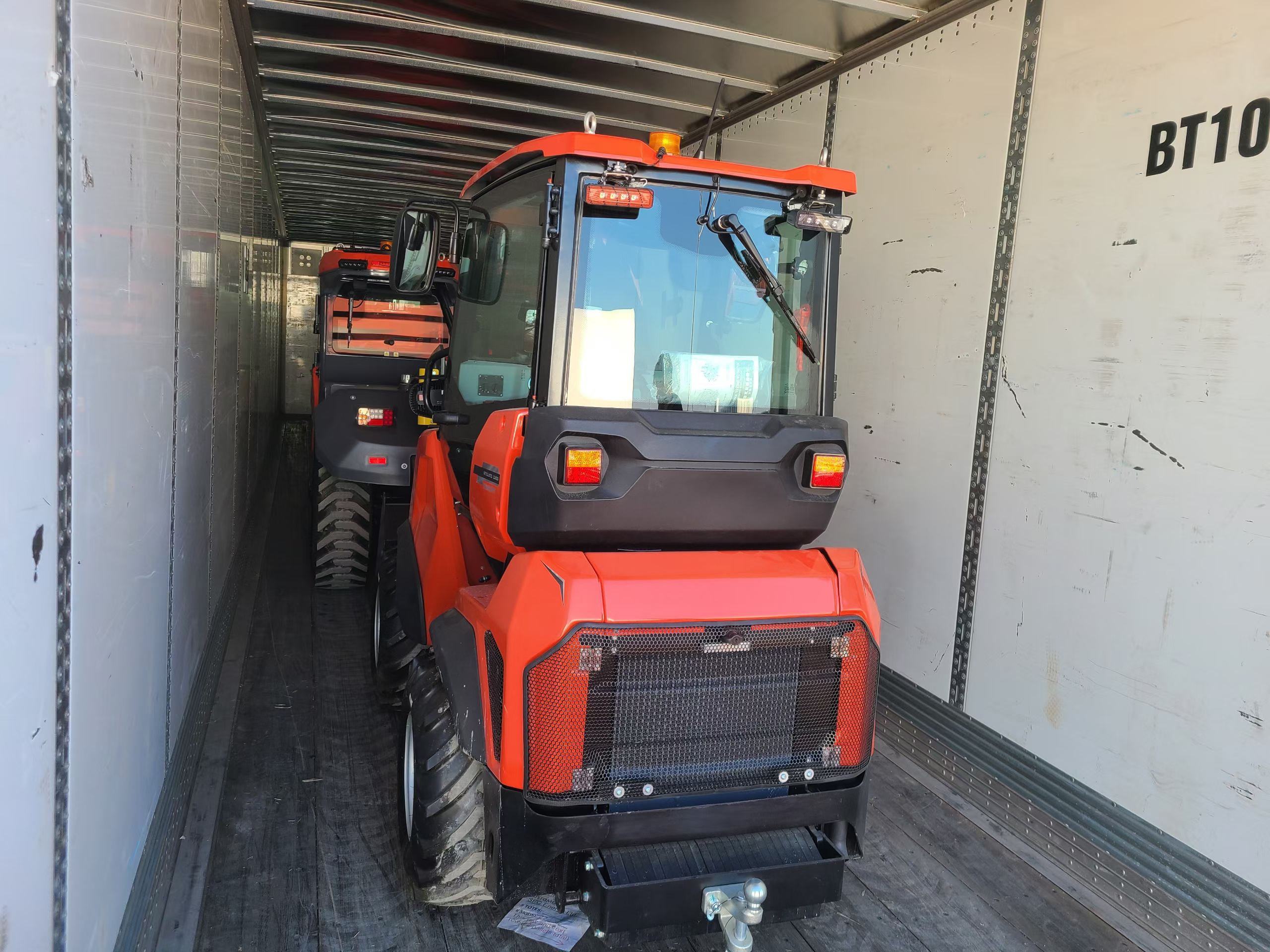
EVERUN ERW1230T telescopic wheel loader — telescopic configurations add reach and add inspection points.
Step-by-Step Breakdown: From Duty Cycle to Fleet Rollout
The sequence below is written for a fleet manager replacing one or two compact diesel machines with electric units. Each step produces a document, which is what makes the decision defensible later.
- Describe the duty cycle in operational language. Write what the machine does in a shift — materials, surfaces, cycle rhythm, waiting time, attachments used. This description, not a size class, drives every later decision.
- Map the charging window and the site power. Identify where the machine sleeps, how long it stands, and where a charger can be installed safely. If no window exists, the project is not ready.
- Choose the configuration before the model. Decide between mini, compact, telescopic and articulated based on access, reach and turning space. Only then shortlist models within that configuration.
- Confirm compliance and market access. Check the destination requirements for emissions, road use and electrical installation, and get the supplier's confirmation in writing. EVERUN states that its overseas branches support localized technical compliance and spare-parts supply.
- Put the service and spares plan in writing. Parts list, stock location, support channel, documentation set and response expectations belong in the quotation, not in a conversation.
- Validate with a trial unit. A single-unit order is possible — EVERUN's stated terms include a minimum order of 1 unit, FOB or CIF delivery, a pre-shipment test as acceptance criteria, and 30/70 payment.
- Train operators and rewrite the pre-shift checklist. Adapt the inspection sheet, assign charging ownership per shift, and set a simple fault-reporting format from day one.
- Plan the second machine before the first is due for replacement. Use the trial records to confirm the duty cycle fit, then align the fleet expansion with the supplier's production lead time — EVERUN states a monthly production capacity of 500 units and a typical production lead time of 30 days.
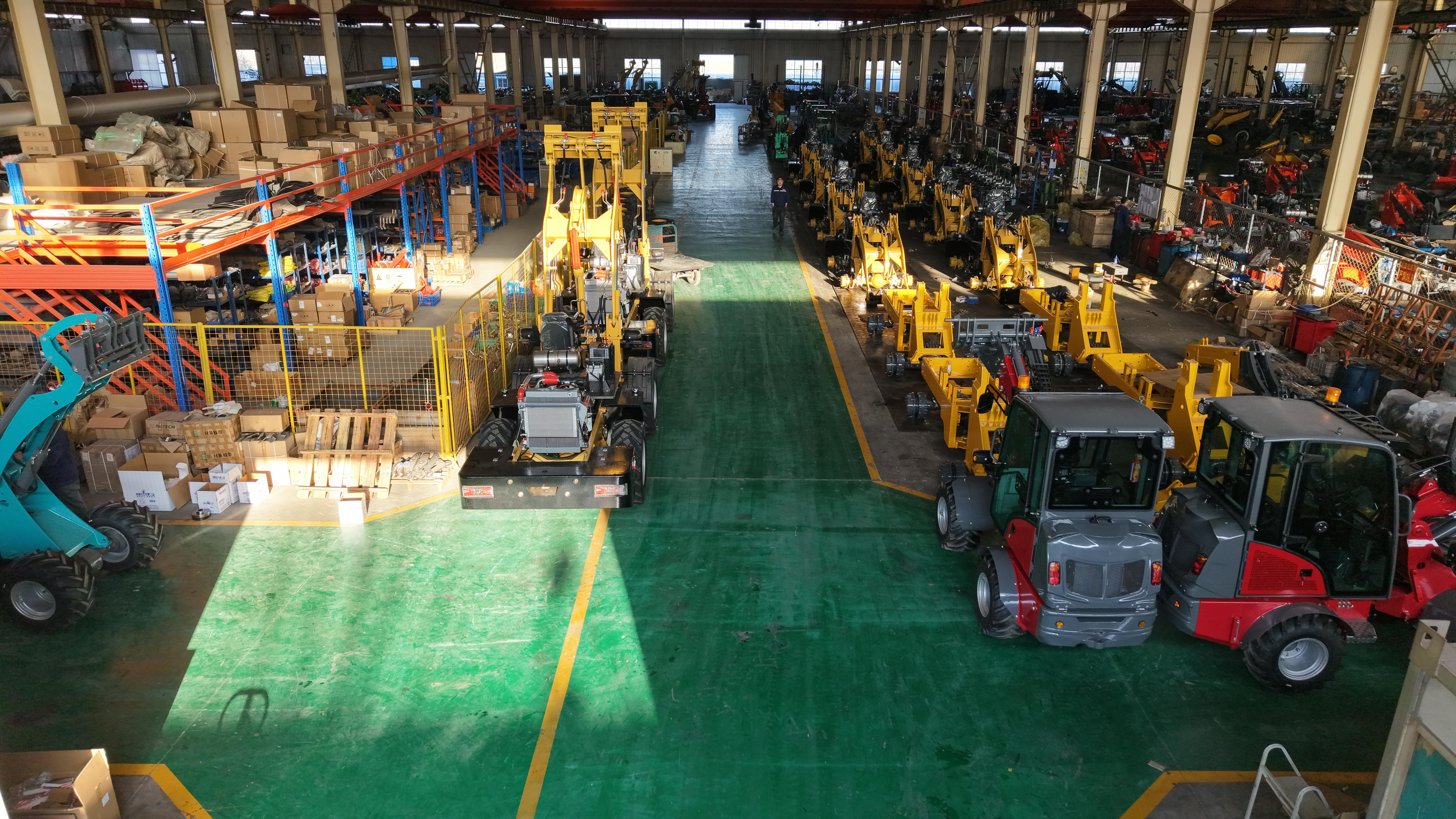
EVERUN manufacturing facility — the company states that quality control follows 100% test standards before shipment.
Use Cases: Where Electric Mini and Compact Loaders Earn Their Place
Municipal yards and urban maintenance
Fixed depots, defined shifts and short handling cycles make municipal work a natural electric fit. Charging happens at the depot between shifts, and low-noise, zero-exhaust operation matters on streets and in public spaces. The planning item is the charging point, not the machine.
Agriculture and livestock yards
Yard scraping, fodder handling and material movement run in short cycles from a fixed base — a pattern that suits battery operation. The maintenance focus shifts to cleaning discipline, connector protection and tyre condition on soft or muddy ground.
Indoor and emission-sensitive operations
Warehouses, processing halls and recycling buildings often cannot run diesel equipment because of exhaust and ventilation limits. Here the electric loader is not a greener alternative but the only workable option, and the charging location moves indoors with its own safety requirements.
Rental fleets and contractor pools
High operator turnover makes simplicity a technical requirement. Rentals need clear charging instructions, robust parts availability and a machine that a new operator can run after a short briefing. Suppliers with regional parts stock and technical support reduce the risk that a single fault removes a unit from the rental pool for weeks.
Comparison Table: Matching Configuration to Fleet Task
The table compares loader configurations on the criteria that matter for a mini or compact electric fleet. It is an editorial decision framework, not a specification sheet; model-level figures should always be confirmed in the current quotation.
| Configuration | Typical fleet task | Electric availability in the EVERUN portfolio | Maintenance emphasis | What to verify before ordering |
|---|---|---|---|---|
| Mini / small wheel loader | Tight yards, narrow access, light material, indoor floors | Electric wheel loaders listed in the portfolio, e.g. ER08E | Charging routine, connectors, hydraulic checks, tyres | Duty-cycle fit, charging window, runtime evidence for the actual task |
| Compact wheel loader | General yard handling, agriculture, municipal work, small construction | Electric wheel loaders listed, e.g. ERW1525E with a stated lithium battery system | Battery system checks, hydraulic system, pins and bushings | Battery service documentation and warranty scope, local parts stock |
| Telescopic wheel loader | Reach work, stacking, loading at height | ERW1230T telescopic wheel loader | Boom and pin inspection, stability discipline, load chart use | Load-rating definition, attachment compatibility, reach requirement |
| Articulated wheel loader | Confined turning, mixed site work | Articulated wheel loaders listed in the portfolio | Articulation joint, steering, structural inspection | Service access at the joint, regional support coverage |
| Diesel compact loader (baseline) | Continuous work, remote sites without power | Conventional wheel loader range alongside electric models | Engine service, filters, exhaust aftertreatment | EU Stage V / EPA Tier 4F compliance for the destination market |
Sources: EVERUN product-category information and company statements; EU Stage V reference: Regulation (EU) 2016/1628.
FAQ: Electric Wheel Loaders in Small Fleets
What compliance checks should a buyer complete before importing an electric wheel loader?
Compliance is checked at two levels. For the machine, EU Stage V (Regulation (EU) 2016/1628) and US EPA Tier 4F are the frameworks buyers use for diesel equipment, and EVERUN states that its machinery complies with Euro V and Tier 4F engine regulations. For market access, local emission and road regulations still apply at the destination; EVERUN states that its overseas branches provide localized technical support and ensure machines meet local emission and road regulations. Export markets stated by the company include the EU, Australia and North America. Destination-specific requirements should be confirmed in writing before shipment.
Can an electric mini wheel loader replace a diesel unit on the same duty cycle?
Not automatically. Whether a compact electric loader replaces a diesel machine depends on the working pattern, the length of the available charging window and the site power supply, not on the size class in a catalogue. EVERUN publishes electric models such as the ER08E and the ERW1525E, and company materials describe electrical specifications for them; those figures do not by themselves establish runtime or productivity under a specific duty cycle. Buyers should request runtime, charging time, battery warranty and duty-cycle evidence, then test them against the actual work pattern before removing a diesel machine from the fleet.
How should an electric wheel loader budget be structured?
Purchase price is one line only. A fleet budget should also cover charging equipment and installation, a starting spare-parts kit, operator training and any service agreement. On machine cost, EVERUN positions its equipment against international brands with 30%–50% lower initial investment, lower spare-parts cost and faster service, aimed at small to medium construction, farming and rental businesses. These are the company's own positioning statements and should be verified against a written quotation that states delivery terms (FOB or CIF) and payment terms (30/70).
Can a buyer validate one unit before ordering a fleet?
Yes. EVERUN's stated purchasing terms include a minimum order of 1 unit, FOB or CIF delivery terms, a pre-shipment test as the acceptance criterion, and 30/70 payment terms. A single-unit trial lets a fleet measure the charging routine, operator acceptance and parts handling before committing to a larger order, and the pre-shipment test provides a documented acceptance point before the machine leaves the supplier.
What lead time and long-term support should be planned before delivery?
EVERUN states a monthly production capacity of 500 units and a typical production lead time of 30 days, with quality control following 100% test standards. For long-term operation, the planned support items are regional spare-parts inventory through the company's overseas branches, technical documentation, and a defined channel for fault reporting. A practical next step is to request the current product catalogue, then confirm the model, delivery terms and spare-parts list with the supplier directly.
Conclusion: Buy the System, Not Just the Machine
Electric wheel loader selection for a mini or compact fleet comes down to a repeatable order of decisions: define the duty cycle, secure a charging window, choose the configuration from the task geometry, put service and spares in writing, retrain the operators, and validate with one unit before scaling. Maintenance then follows the redistribution rule — less engine work, more attention to the battery system, charging equipment, hydraulics and structure.
Fleets that treat the electric loader as a system, rather than as a catalogue item with a battery, are the ones that keep the machine on the same duty cycle for years and order the second and third unit with confidence. Fleets that buy the machine alone usually end up managing the rest of the system themselves, one breakdown at a time.
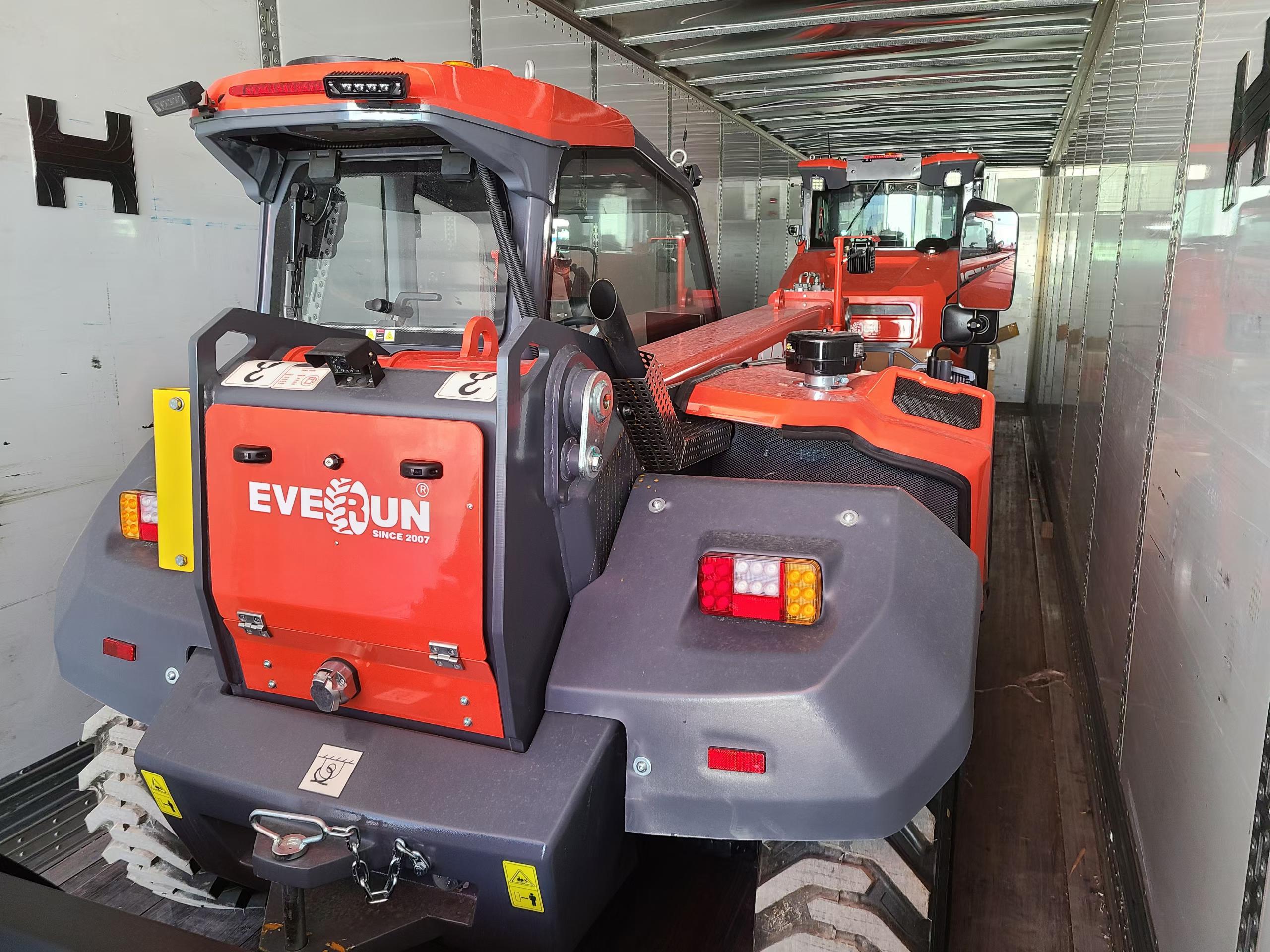
EVERUN ERT2860 — single-unit trials are possible under the company's stated minimum order of 1 unit.
Next Step: Catalogue, Trial Unit or Fleet Quotation
Qingdao Everun Machinery Co., Ltd. supplies wheel loaders, telescopic wheel loaders, electric wheel loaders, excavators and attachments to markets including the EU, Australia and North America, and states that its products have been exported to more than 100 countries and regions.
Download the current product catalogue: EVERUN Product Catalogue (PDF)
Send a duty-cycle description and receive a model recommendation and quotation: info@everun.com · Tel / WhatsApp: +86 18661725881 · Chat on WhatsApp · www.everun.com
Have Questions or Need More Details?
Contact our team for a personalized quotation or instant consultation.
Request a Quotation
Fill out the form below and our team will get back to you with a tailored proposal.
WhatsApp Direct Chat
Prefer to chat in real-time? Message us on WhatsApp for instant assistance & quick answers.
- Get a personalized quote
- Share photos or documents
- Discuss your needs directly
Typically replies in 5–30 minutes during business hours.