
Understanding Load Ratings and Build Quality in Mini Wheel Loaders: ER2500T, ER08E and EREL10
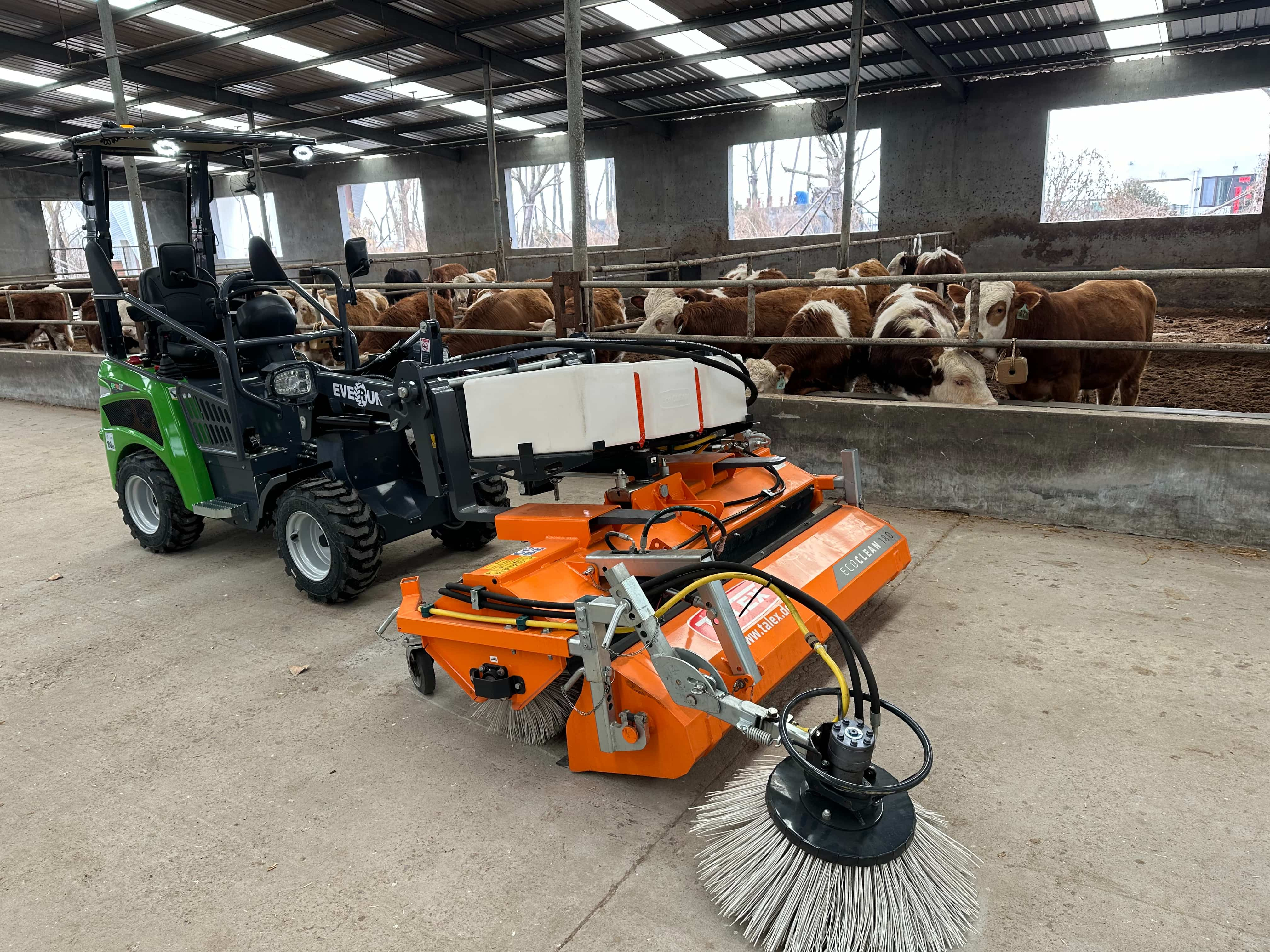 The EVERUN ER08E mini wheel loader — one of the three models used in this guide to explain how load ratings and build quality should be read.
A mini wheel loader specification sheet only works as a comparison tool if the numbers on it describe the same things. Rated load, net weight and engine or motor power are defined engineering figures, and two machines can both be marketed as compact loaders while their published figures describe different measurement conditions. This guide explains what the main parameters on a compact loader datasheet actually define, and how to match them to a working condition, using three EVERUN models as concrete references: the ER2500T (2,500 kg rated load, 53 kW), the ER08E (800 kg rated load, 12 kW) and the EREL10 (2,150 kg net weight).
It is written for buyers who are past brand discovery and are comparing configurations at the decision stage — contractors, rental fleet operators, farm managers, municipal procurement teams and importers who need to justify a choice internally. Four parameters carry most of the decision weight: rated load, net weight, power and structural steel grade (S355). Each is explained below, followed by a five-step reading method, application matching and a specification comparison of the three models.
Why compact loader spec sheets are hard to compare
Rated load is a defined engineering figure for a specific machine configuration and working cycle. It is not a promise that the machine will handle any load it physically encounters, and that distinction is the most common source of error when buyers compare mini wheel loaders across brands.
Four weight-related terms appear on compact loader datasheets, and they are not interchangeable:
- Rated load — the payload the machine is designed to carry in its documented configuration and duty cycle.
- Tipping load — the load at which the machine reaches its stability limit. It is always a higher figure than rated load, and it is not a lifting capacity.
- Net weight — the weight of the machine itself, before payload and, depending on how the sheet is compiled, before operator and attachments.
- Operating weight — the machine as configured for work, including standard equipment and fluids.
A datasheet that publishes a rated load of 2,500 kg and a datasheet that publishes a tipping load of 2,500 kg describe machines of very different capability. Where a sheet publishes only one of the two, the comparison cannot be completed — and that is a reason to ask for the missing figure rather than to assume it.
The second problem is that a headline number cannot show the structure behind it. A load rating is only meaningful if the frame, boom and axles are engineered to sustain it across thousands of working cycles. Steel grade (S355), plate thickness, weld quality and process control are the invisible half of the specification, which is why they matter as much as the figure printed next to rated load.
The third problem is power. Kilowatts describe the rate at which work can be done; they do not rank machines across drivetrain types, and on their own they say nothing about how much a machine can lift. A 12 kW electric drive and a 53 kW engine are not competing figures — they belong to different machine classes and different working conditions.
Regulation adds a fourth layer. Wheel loaders placed on the EU market must comply with EN 474-3:2022, the safety standard covering operator stations and protective structures (ROPS/FOPS). Compliance is not visible on a spec sheet either, but it is a pass-or-fail requirement rather than a preference.
Where the mini and compact wheel loader market stands in 2026
Demand for compact loaders keeps expanding, and electrification is growing faster than the category itself. The global wheel loader market was valued at USD 36.02 billion in 2023 and is projected to reach USD 69.52 billion by 2033, according to DataM Intelligence, while the compact loader segment alone was valued at USD 9.91 billion in 2025 and is projected to grow at a CAGR of 5.0% through 2034, according to Fortune Business Insights. Research firms scope these categories differently, so published market values are not directly comparable between studies.
Supply is concentrated in China, which exported 155,900 self-propelled shovel loaders in 2025, a 22.57% volume increase year-on-year, according to China Customs Statistics. Inside China, electric wheel loader sales reached 20,819 units between January and May 2026, a 90.9% year-on-year increase, according to the China Construction Machinery Industry Association (via SINOMADA) — a signal that battery-electric compact machines have moved from pilot projects into mainstream procurement.
In the wider construction equipment market, Caterpillar held a 15.2% global share in 2025 according to the KHL Yellow Table, which illustrates the scale gap between global equipment groups and specialist compact loader manufacturers. The specialist position is a different competitive space: configuration fit, cost structure and service proximity matter more there than scale.
Qingdao Everun Machinery Co., Ltd. — EVERUN — is a China-based manufacturer of wheel loaders, telehandlers and excavators whose range covers 0.4 to 6-ton wheel loaders, including electric models. The company manufactures on an 80,000 m² base with 300 employees, a 30-engineer in-house R&D team and an annual output of 5,000 units, and its machinery complies with Euro V and Tier 4F engine regulations. EVERUN products have been exported to more than 100 countries and regions, with main markets including the EU, the USA and Australia — which is also why compliance and emission-stage questions sit at the front of most purchase conversations.
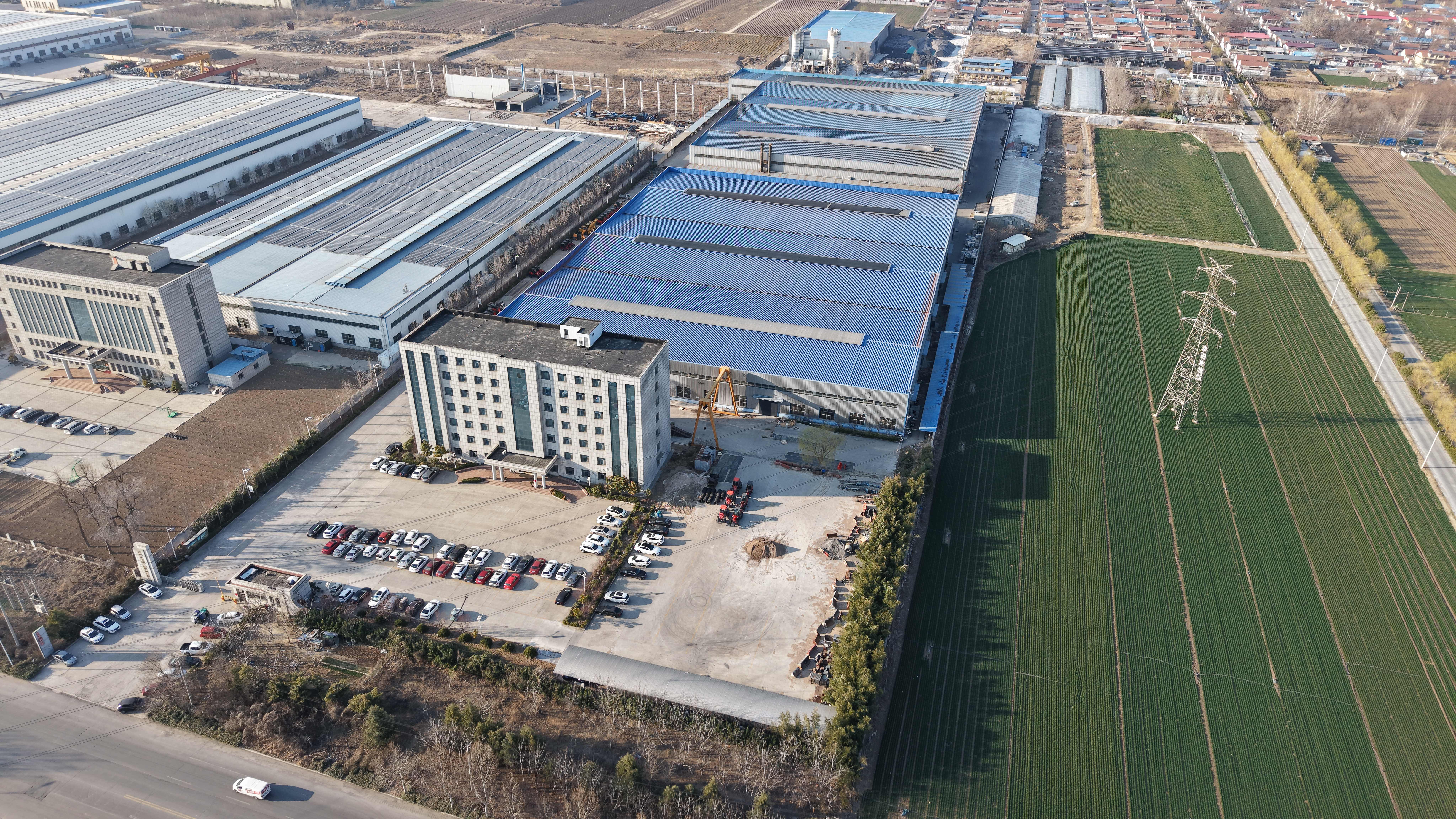 A spec-sheet load rating traces back to the manufacturing process behind it: material grade, structure fabrication and process control.
The four specification parameters that carry the decision
Four parameters decide whether a mini wheel loader fits a job: rated load, net weight, power, and the structural steel behind the load rating. Each answers a different question, and none of them substitutes for another.
Rated load: what the ER2500T and ER08E figures define
Rated load answers one question: how much material the machine is engineered to carry through a normal working cycle. EVERUN specifies the ER2500T with a rated load of 2,500 kg and the ER08E with a rated load of 800 kg. The gap between them is not a quality difference — it is a class difference between two purpose-built configurations.
Machines in the 2,500 kg rated load class are normally specified where material volume per cycle drives the cost of the job, such as bulk handling of aggregate, soil, grain or waste in yards, farms and contracting fleets. Machines in the 800 kg class are normally specified where access width, surface protection, indoor operation or emissions are the binding constraints rather than volume.
A working rule for the decision stage: size rated load to the material handled most often, not to the heaviest single load that might be lifted once. Over-specifying rated load raises purchase cost, machine weight and transport requirements; under-specifying it turns every cycle into a slow and unstable lift.
Where a datasheet does not publish rated load for the configuration you intend to buy, that figure cannot be replaced with operating weight or tipping load. Ask for the rated load for the exact configuration.
Net weight: why the EREL10 figure matters before anything else
Net weight is the first figure to verify when the machine has to travel to the work site or operate on a finished floor. The EREL10 is published with a net weight of 2,150 kg. That single number influences trailer class, truck loading, container stowage and — for indoor work in warehouses, sheds or livestock buildings — whether the machine can be operated on the floor structure at all.
Net weight also sets the baseline for stability. Two machines with similar rated loads but different net weights behave differently at the same lift height, because the weight of the machine itself is part of the balance that supports the load.
Net weight is not part of the published figure set for the ER2500T and ER08E in this comparison, so the honest position is that net weight cannot be compared across these three models using only the numbers published here. That is a normal outcome of reading specification sheets: a comparison stops where a published figure stops.
Power: reading 53 kW and 12 kW in context
Power describes the rate at which the drivetrain can do work. The ER2500T is equipped with a 53 kW engine, and the ER08E uses a 12 kW electric drive. Neither figure should be read on its own.
Power becomes useful information when it is matched to the load class and the duty cycle. A 2,500 kg rated load with 53 kW of engine power describes a machine built for sustained bulk handling, while an 800 kg rated load with a 12 kW electric drive describes a machine built for shorter, cleaner cycles in confined or emission-sensitive spaces. Comparing the two kW values directly says nothing about which machine is better; comparing each one against its own rated load shows whether the drivetrain and the structure belong together.
For electric machines, the follow-up questions are usually about the site's power supply and shift pattern rather than the kW figure itself. For diesel machines, the relevant follow-up is the emission stage, since EVERUN machinery complies with Euro V and Tier 4F engine regulations — the standard applied in the market where the machine will be registered.
Structural steel: what S355 tells you about build quality
S355 is a structural steel grade designated in the European standard series for hot-rolled structural steels, and the number refers to a minimum yield strength of 355 MPa. Yield strength is the property that determines how much stress a fabricated structure can carry before it deforms permanently, which makes it the correct measure of build quality behind a load rating.
The practical consequence for a buyer: a frame, boom or lift arm fabricated from S355 can be engineered for a higher load rating at the same plate thickness than the same structure built from a lower-grade construction steel — or for the same rating at reduced weight. Because steel grade is invisible on a finished machine, it is exactly the kind of specification that separates a datasheet built around a number from a machine built around a duty cycle.
Build quality also depends on the process behind the material. EVERUN manufactures on an 80,000 m² production base with 300 employees and an in-house R&D team of 30 engineers, producing 5,000 units per year. Conformity is verified by third parties as well: the ER08E, ER1220 and ERT1500 compact loaders are certified by TUV Rheinland for MD CE, Noise and EMC compliance.
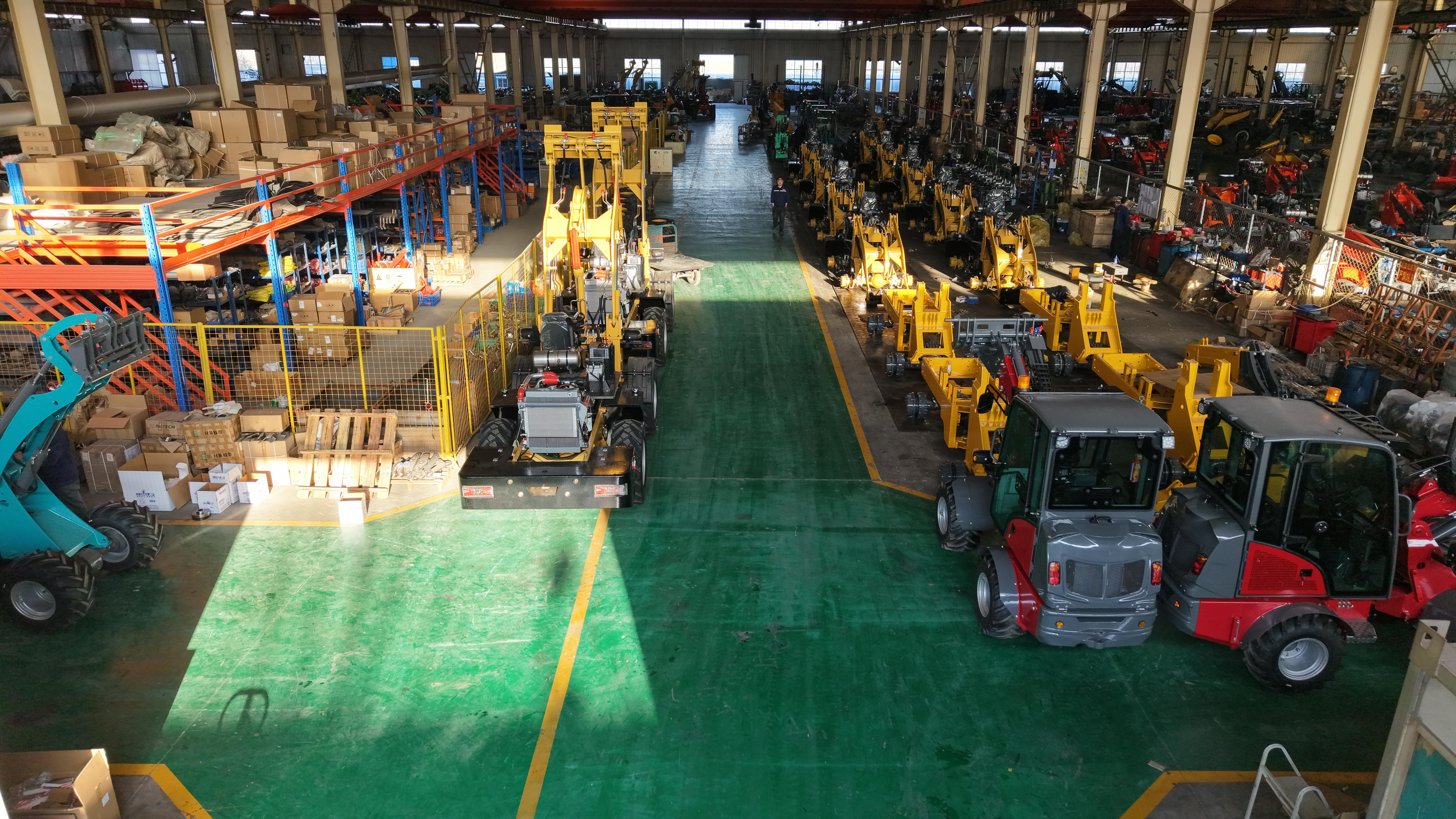 Structural steel grade, plate thickness and process control are the specification items a finished machine cannot display.
How to read a mini wheel loader spec sheet: a five-step method
The following sequence works for any compact loader datasheet and prevents the most common comparison errors.
- Sort the mass figures first. Identify which published number is rated load, which is net or operating weight, and whether tipping load is published at all. The ER2500T's 2,500 kg is a rated load; the EREL10's 2,150 kg is a net weight. They are not the same type of figure.
- Match power to the load class. Check that the engine or motor rating belongs to the same configuration as the load rating — 53 kW with a 2,500 kg rated load on the ER2500T, 12 kW with an 800 kg rated load on the ER08E. A power figure taken from a different configuration invalidates the comparison.
- Check the structure behind the number. Ask for the structural steel grade (S355), the plate thickness of the main frame and lift arm, and the third-party certification the model carries. A load rating without structural information is an incomplete specification.
- Convert the sheet into a duty cycle. Estimate cycles per hour, material density, travel surfaces and whether the machine works indoors or outdoors. Rated load sized to the most frequent material keeps the machine inside its design envelope.
- Verify compliance and support before ordering. Confirm the emission stage (Euro V or Tier 4F where applicable), the safety standard that applies in the destination market (EN 474-3:2022 in the EU, covering operator stations and ROPS/FOPS), and the availability of technical support and spare parts. EVERUN's overseas branches provide localized technical support and spare parts inventory and ensure machines meet local emission and road regulations.
Matching the numbers to real working conditions
Higher-volume bulk handling and contracting fleets
Where a job is measured in tonnes moved per day and the machine stays on one site, the ER2500T defines the working class: a 2,500 kg rated load paired with a 53 kW engine. This is also the class that fits rental and contracting fleets, where one machine has to cover several material types and operating sites without being changed between jobs.
Indoor, confined and emission-sensitive work
For indoor work, low-clearance sites and emission-sensitive environments, the constraint is access rather than volume. The ER08E's 800 kg rated load and 12 kW electric drive describe a machine sized for tighter cycles, and its TUV Rheinland certification for MD CE, Noise and EMC compliance covers the documentation that industrial and municipal buyers ask for first.
Transport-limited and floor-loading-limited deployments
Where a machine must be moved between sites regularly, or operated on surfaces with load limits, net weight decides feasibility before any other parameter. The EREL10's published net weight of 2,150 kg is the figure to check against trailer capacity, container stowage and floor loading before considering anything else on the sheet.
ER2500T, ER08E and EREL10: specification comparison
The table below compares only the figures published for each model in this brief. Where a parameter is not published for a model, the comparison stops there — an empty cell is more useful than an assumed number.
| Parameter | ER2500T | ER08E | EREL10 |
|---|---|---|---|
| Rated load | 2,500 kg | 800 kg | Not published |
| Engine / motor power | 53 kW | 12 kW | Not published |
| Net weight | Not published | Not published | 2,150 kg |
| Structural steel grade | S355 — the grade referenced for the EVERUN models discussed in this guide | ||
Certification note: the ER08E, ER1220 and ERT1500 compact loaders are certified by TUV Rheinland for MD CE, Noise and EMC compliance. EVERUN machinery complies with Euro V and Tier 4F engine regulations.
Cost comparison: EVERUN compact loaders and international brands
Purchase price is one line in the total cost of a compact loader; the rest is spare parts, service response and the value the machine returns over its working life. EVERUN's published comparison against international brands is summarised below.
| Decision metric | EVERUN compact loaders vs. international brands |
|---|---|
| Initial investment | 30%–50% lower |
| Purchase cost | 30%–50% lower |
| Spare parts cost | Lower spare parts cost |
| Service | Faster service |
| Fuel consumption | Comparable, with optimized hydraulic systems |
| Return on investment | Higher return on investment |
| Typical fit | Small to medium construction, farming and rental businesses |
This is a cost-structure comparison, not a performance ranking. A 30%–50% lower initial investment and purchase cost changes the payback calculation for small to medium construction, farming and rental businesses, and lower spare parts cost with faster service affects ownership cost after the warranty period. Capability still depends on the model class — which is why the specification comparison above matters more than the price comparison when a machine is being matched to a job.
FAQ: load ratings, build quality and mini wheel loader specifications
Do EVERUN wheel loaders meet EU compliance requirements?
Wheel loaders placed on the EU market must comply with EN 474-3:2022, the safety standard covering operator stations and protective structures (ROPS/FOPS). EVERUN machinery complies with Euro V and Tier 4F engine regulations, and the ER08E, ER1220 and ERT1500 compact loaders are certified by TUV Rheinland for MD CE, Noise and EMC compliance. EVERUN's overseas branches also provide localized technical support and ensure machines meet local emission and road regulations.
Should I choose a 2,500 kg or an 800 kg rated load for a mini wheel loader?
Match rated load to the material handled most often. The ER2500T's 2,500 kg rated load fits high-volume bulk handling where cycle volume drives cost, while the ER08E's 800 kg rated load fits work where access, indoor operation or emissions are the limiting factors. Net weight matters as well, because it determines transport and floor loading — the EREL10 is published with a net weight of 2,150 kg.
Why are EVERUN compact loaders positioned as cost-effective against international brands?
EVERUN's published comparison states a 30%–50% lower initial investment and 30%–50% lower purchase cost than international brands, with lower spare parts cost and faster service. Fuel consumption is described as comparable, with optimized hydraulic systems, and the resulting return on investment is higher for the applications listed: small to medium construction, farming and rental businesses.
How can I verify specifications and certification before placing an order?
Ask for rated load, power and net weight for the exact configuration you intend to buy rather than for the model family, and request the certification documents for that model. The EVERUN wheel loader brochure is available for download at the EVERUN product brochure, and configuration confirmations can be requested through info@everun.com.
What support is available after delivery in export markets?
EVERUN's overseas branches provide localized technical support and spare parts inventory, and ensure that machines delivered to a market meet its emission and road regulations — the two areas that most often interrupt operation after commissioning. For model-specific questions, contact the EVERUN team at info@everun.com or on WhatsApp at +86 18661725881, or review the model range at www.everun.com.
Conclusion: compare definitions, not numbers
Rated load, net weight, power and structural steel grade answer four different questions about a mini wheel loader, and a specification comparison is valid only where the same parameter is published for every model being compared. The ER2500T (2,500 kg rated load, 53 kW), the ER08E (800 kg rated load, 12 kW) and the EREL10 (2,150 kg net weight) show how those parameters separate machine classes: one sized for volume, one sized for access and emissions, and one whose transport weight decides feasibility before anything else.
For buyers at the decision stage, the sequence is straightforward: sort the mass figures, match power to the load class, verify the structure and its steel grade, convert the specification into a real duty cycle, and confirm compliance and support for the destination market. A number that cannot be traced to a defined measurement condition is not a specification — it is a claim.
Next step: match the numbers to your working condition.
Download the EVERUN wheel loader brochure for the full model range and configuration options. For model-specific rated load, power, net weight and certification documents, contact EVERUN at INFO@EVERUN.COM or WhatsApp +86 18661725881, or visit www.everun.com.
Have Questions or Need More Details?
Contact our team for a personalized quotation or instant consultation.
Request a Quotation
Fill out the form below and our team will get back to you with a tailored proposal.
WhatsApp Direct Chat
Prefer to chat in real-time? Message us on WhatsApp for instant assistance & quick answers.
- Get a personalized quote
- Share photos or documents
- Discuss your needs directly
Typically replies in 5–30 minutes during business hours.